project icon STARC

Project title:

Strengthening the capacity of the State Institution "Information Technology and Cybersecurity Service" (STISC) to enhance funding allocation to the electronic communications sector to support integration into the European Union.

Project description and aim of the project:

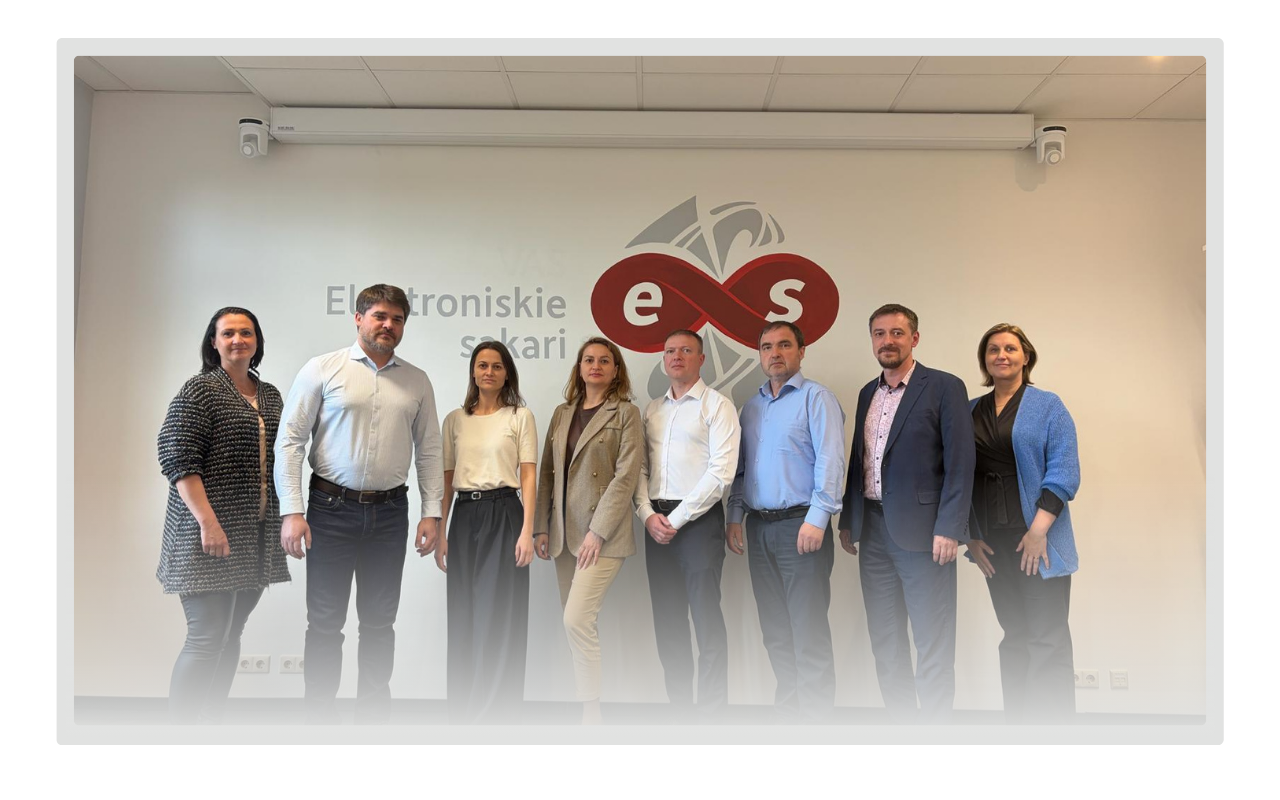
The STARC project is a strategic cooperation initiative aimed at strengthening the capacity, resilience, and adaptability of Moldova’s electronic communications and cybersecurity systems. Its objective is to enhance the institutional capabilities and capacity of the State Institution "Information Technology and Cybersecurity Service" (hereinafter – STISC) for planning and implementing strategically important projects in the electronic communications sector, thereby supporting Moldova’s integration process into the European Union.

The project activities include:

  1. Strengthening institutional capacity by providing Moldova’s STISC with knowledge on EU digital infrastructure development principles and funding mechanisms, and by developing a tailored development plan aligned with the institution’s specific needs and priorities.
  2. Enhancing practical knowledge and skills through the development of a training program and modules, and by providing practical expertise and experience to support the development and implementation of digital transformation projects.
  3. Promoting regional cooperation and knowledge exchange by strengthening collaboration between Moldovan and Latvian institutions to ensure the transfer of best EU practices and foster long-term partnerships.

As a result of the project, it is expected that Moldova’s electronic communications sector will improve its ability to plan and attract financial resources for the development of strategic projects. In the long term, these skills will not only contribute to infrastructure development but also promote the creation of new strategic partnerships across a broader range of sectors.

Project funding:

Total budget: EUR 179,126.79.

This project is funded by the Ministry of Foreign Affairs of the Republic of Latvia. The Ministry of Foreign Affairs of the Republic of Latvia is not responsible for the content of this publication or website.

Project partners:

  1. Electronic Communications Office of Latvia
  2. SAFEGE Baltija
  3. State Institution “Information Technology and Cyber Security Service” (STISC)
Communication Materials

Elektroauto uzlādes simbols uz zaļas zīmes ar zilu debess fonu

Project title:

Implementation of the project “Introduction of Electric Vehicles and their Charging Infrastructure in the Company” (Identification No. MF-1/3)

Project description:

Electronic Communications Office of Latvia is introducing the electric transport and implementating project with the support of the Modernisation Fund, in Modernisation Fund financed call of proposals "Enhancing Energy Efficiency in the Transport Sector – Support for the Implementation of Electric Vehicles and Their Charging Infrastructure" announced by Environmental Investment Fund of Latvia (SIA "Vides investīciju fonds".

Project goal:

The goal of the project is to reduce air pollution and promote the integration of environmentally friendly transport solutions into the company's operations. As part of the project, it is planned to replace a portion of the existing service vehicles operating on fossil fuels with four electric vehicles. This step will enhance the company's energy efficiency by reducing carbon emissions.

Project implementation period:

June 10, 2025 –  December 9, 2026 (18 months).

Financing:

The total project costs are EUR 160,200.00, of which co-financing from the Modernisation Fund resources amount up to EUR 20,000.00 (twenty thousand euros and 0 cents).

Illustrative Image

Project Title

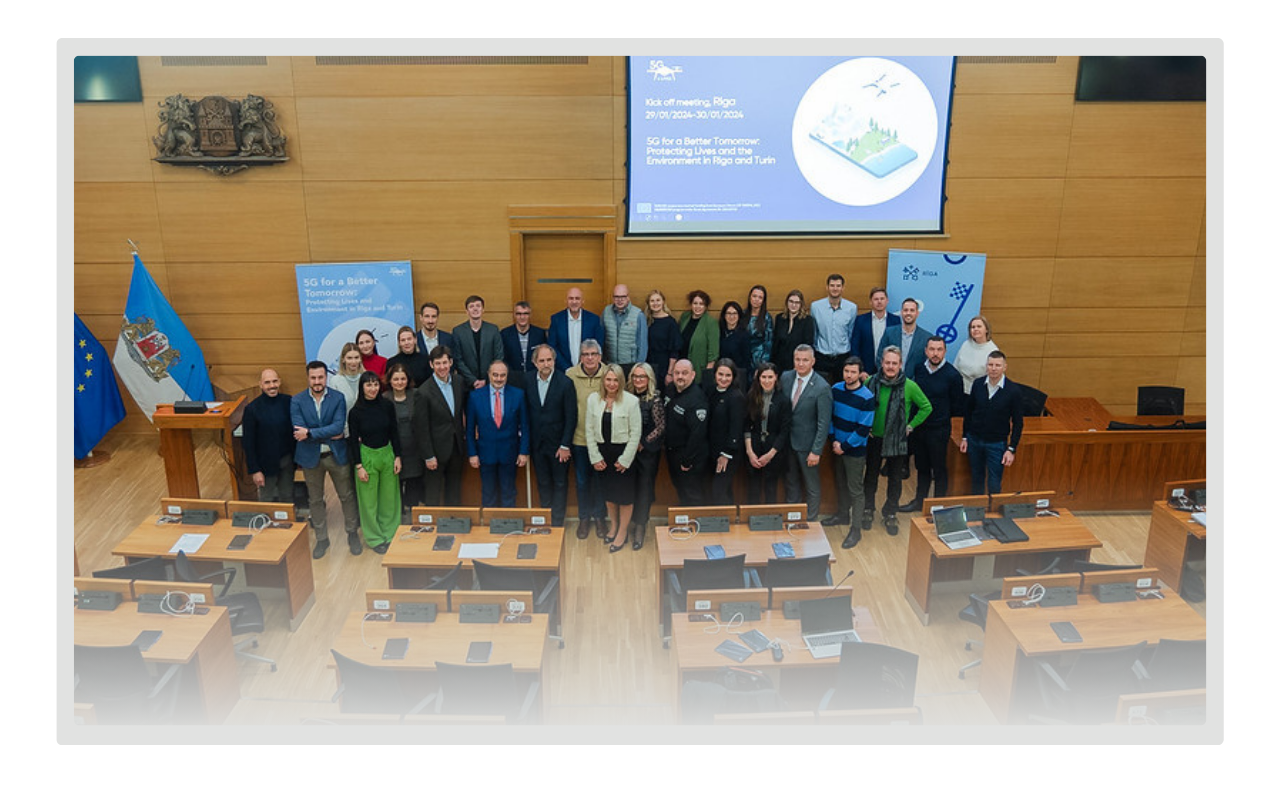
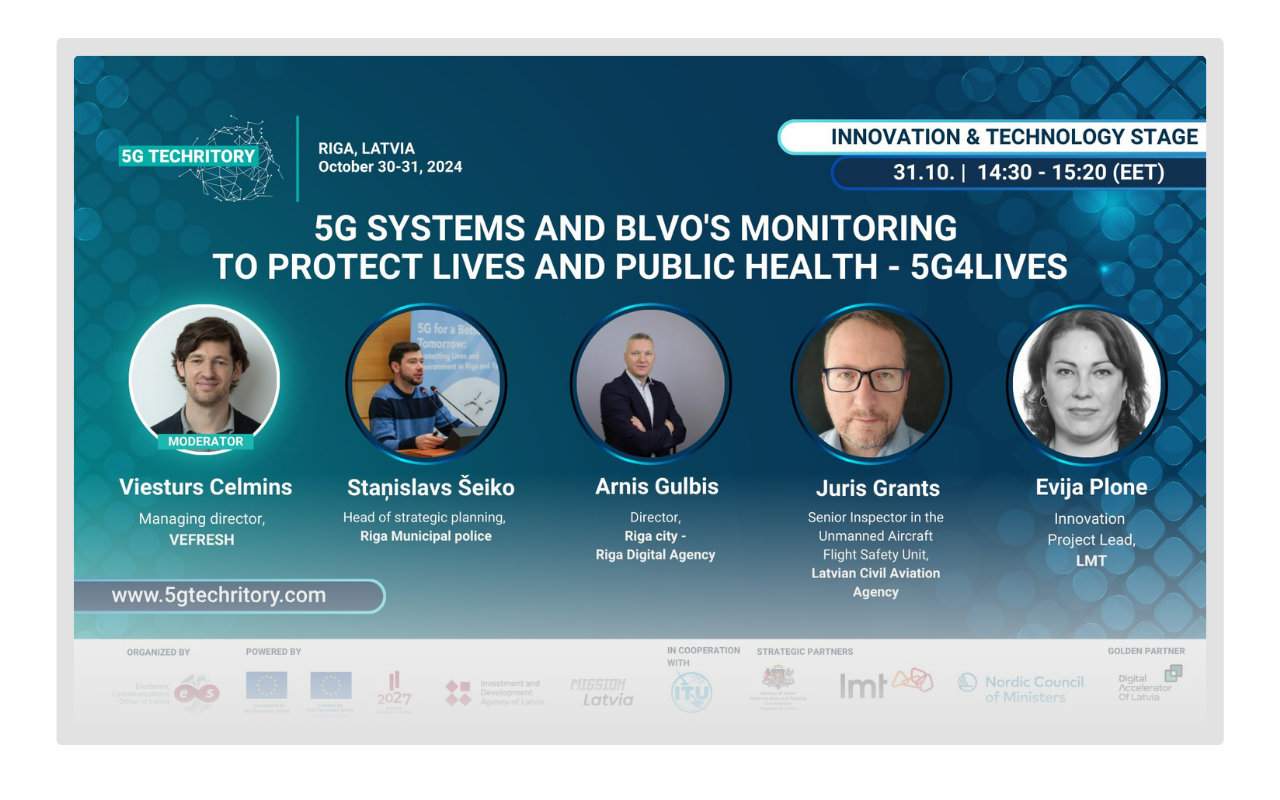
Development of 5G systems for the protection of life and public health in Riga - 5G4Lives

ID No. 101133716

Description

In an era of as technology advances at an unprecedented pace, the project takes center stage as an initiative committed to harnessing innovation for the greater good. This project reveals its transformative vision in two different geographical sets – Latvia and Italy. It strategically combines 5G connectivity with cutting-edge technologies such as enabled monitoring of drones (UAVs or drones) and of alternative hydrogen charging overturns. With the dual task of improving public safety and environmental health, the project is exploring data-driven forecasting and understanding of the real-time aerial situation as the backbone of a safer, more efficient, and sustainable future.

The main objective of the Project is to ensure optimal emergency management and data-driven forecasting covering the safety of the public. With 5G connectivity and UAV dynamic fusion, the goal is to provide real-time air situational awareness and automatic vulnerability assessment in the risk areas. The scope of the project goes beyond traditional bailouts, strengthening innovations to protect both human lives and the environment.

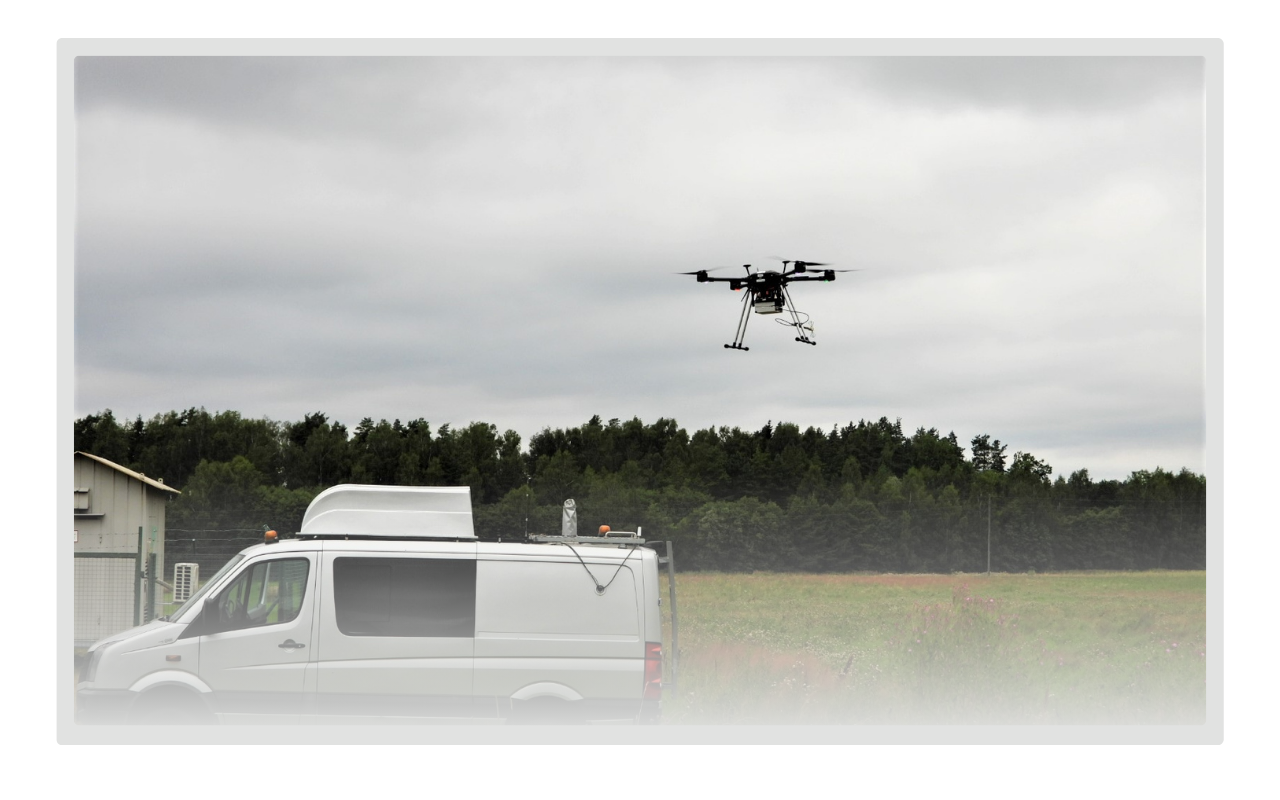
Project in Latvia is related to the use of drones and 5G technology in monitoring and rescue work, especially at Vecāķu Beach and Ķīšezers lake, in different seasons. The project also includes studies in Riga on safety protocols and procedures for the operation of drones in urban airspace for and flight methodology beyond vision limits (BVLOS) covering the whole EU. With the use of 5G and drones, the project promises faster and more effective emergency response, addressing staffing shortages in law enforcement and expanding their competences. In Turin, the focus is on developing a 5G-enabled service to identify the situation and assess vulnerabilities to combat the threat of natural disasters. This includes testing anti-drone hacking technology, integrating satellite data and improving the pilot-drone team to improve emergency response s.. In Italy, the project will mitigate the threat of natural disasters and test innovative anti-drone hacking technologies, which will result in rescue teams receiving operational information and providing an effective reactionary in emergencies. . In addition, the development of safety protocols and procedures for urban drone flights and validation of THE BVLOS flight methodology will set new standards for public safety and security.

The project underlines Community engagement and knowledge sharing, ensuring that the benefits of these technological advances go beyond immediate emergency management to promote a more resilient and informed society.

Project Partners

  • Riga State City municipal Agency “Riga Digital Agency” (managing Partner) and Riga State City Municipal Police (LV);
  • SIA Latvijas Mobilais Telefons (LV),
  • Electronic Communications Office of Latvia (LV),
  • VEFRESH (LV),
  • WIND TRE SPA (IT),
  • COMUNE DI TORINO (IT),
  • Politechnico di Torino (IT).

Project Timeframe

January 2024 to December 2026

Funding

The project “Development of 5G systems for the protection of life and public health in Riga - 5G4Lives” is co-funded by the European Union, under Connecting Europe Facility Digital Programme (CEF Digital) for CEF Digital.

The total cost of the project is EUR 3 826 000. The project is funded at 75% of the European Commission's Connecting Europe Facility Digital Programme (CEF Digital).

5G4LIVES Project has received funding from European Unions CEF DIGITAL 2022 5SMARTCOM program under grant Agreement from 101133716

The European Union is not responsible for the content of this page.


Communication Materials

project icon

Project Title:

SNS Collaborative Operations and Output Optimisation (SNS CO-OP), ID: 101192000

Project Description:

The SNS CO-OP project is dedicated to supporting and facilitating the activities of the European Union's Smart Networks and Services Joint Undertaking (SNS JU) initiative. The project orchestrates strategic activities in collaboration with the SNS JU Office and the 6G Industry Association to promote the European industry's perspective on 6G, highlight the achievements of the 6G SNS initiative and its projects, and advance the goals of the SNS JU. Building upon the platforms and communities established by previous projects SNS OPS and SNS ICE, SNS CO-OP aims to stimulate and align complementary activities across the broader 6G SNS stakeholder community. Additionally, the project will provide support for the EUCNC & 6G Summit events in 2025 and 2026, leveraging the experience from the 6GStart project. The project team will regularly assess dissemination and communication effectiveness using measurable parameters to maximize the impact of the SNS initiative in partnership with all ongoing SNS projects.

The main goal for LLC ELECTRONIC COMMUNICATIONS OFFICE OF LATVIA is to ensure the platform of “Techritory” for publishing of project outcomes.

Project partners:

  1. EURESCOM-EUROPEAN INSTITUTE FOR RESEARCH AND STDE Coordinator 
  2. 6G SMART NETWORKS AND SERVICES INDUSTRY ASSOCIA BE Partner 
  3. NOKIA SOLUTIONS AND NETWORKS GMBH &CO KG DE Partner 
  4. ERICSSON AB SE Partner 
  5. THALES SIX GTS FRANCE SAS FR Partner 
  6. TELENOR ASA NO Partner 
  7. TELECOM ITALIA SPA IT Partner 
  8. SAS IDATE FR Partner 
  9. NOKIA NETWORKS FRANCE FR Partner 
  10. SOUTH EAST TECHNOLOGICAL UNIVERSITY IE Partner 
  11. MTU AUSTRALO ALPHA LAB EE Partner 
  12. TRUST-IT SERVICES SRL IT Partner 
  13. COMMPLA SRL IT Affiliated 
  14. INSTITUTO DE TELECOMUNICACOES PT Partner 
  15. NEDERLANDSE ORGANISATIE VOOR TOEGEPAST NATUUR NL Partner 
  1. CENTRE TECNOLOGIC DE TELECOMUNICACIONS DE CATA ES Partner 
  2. ELECTRONIC COMMUNICATIONS OFFICE OF LATVIA  Partner
  3. INOV INSTITUTO DE ENGENHARIA DE SISTEMAS E COMPU PT Partner 
  4. OULUN YLIOPISTO FI Partner 
  5. POLITECHNIKA POZNANSKA PL Partner 
  6. UNIVERSIDAD DE MALAGA ES Partner 
  7. TELEFONICA INNOVACION DIGITAL SL ES Partner

Project Duration:

January 1, 2025 – March 31, 2027

Project Funding:

Total cost: €4,173,385.00; of which co-funding for Electronic Communications Office of Latvia  202 500, 00 EUR.

European Commission Funding Acknowledgment: This project is co-funded by the European Union's Horizon Europe program under Grant Agreement No. 101192000.

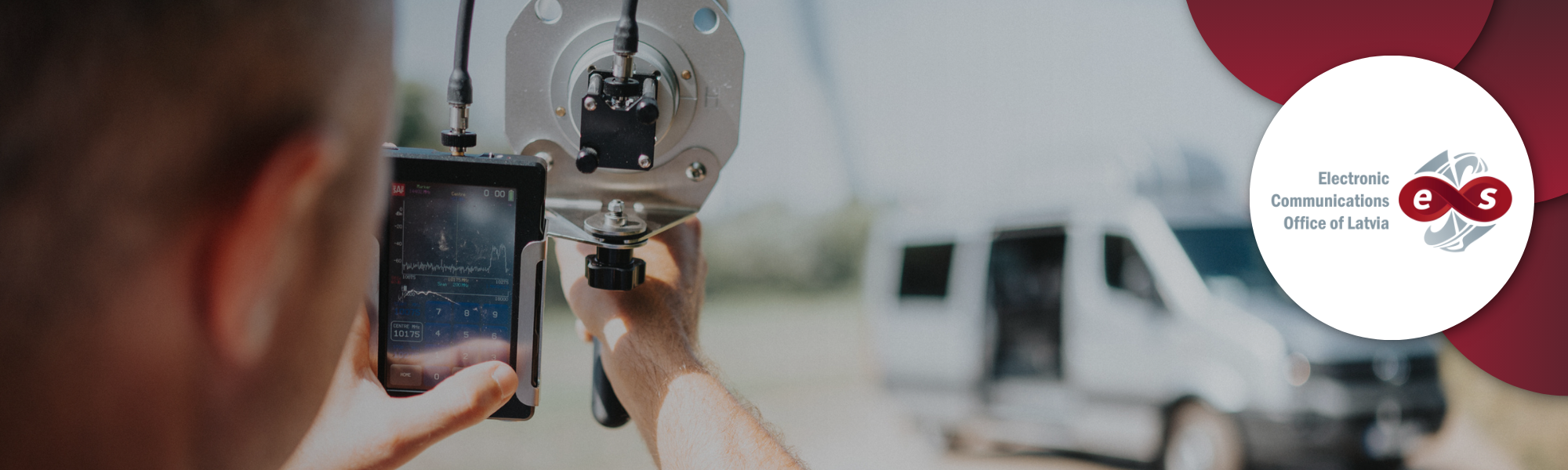
Radio Spectrum Usage Control – Electromagnetic Compatibility (EMC) Assessment and On-site Radio Equipment Inspection

This two-day program is intended for spectrum monitoring engineers, EMC experts, and mid-level managers from national spectrum administrations and regulatory authorities. It is designed to strengthen both theoretical understanding and practical competencies in spectrum usage control, EMC assessments, and radio equipment inspection.

Delivered in English, the course combines lectures, demonstrations, case studies, and on-site practical exercises. Participants gain a comprehensive understanding of the regulatory framework, EMC compliance requirements, inspection workflows, and the use of monitoring and direction-finding equipment in real operational environments.

Training Content

Day 1 - Fundamentals of Spectrum Management and EMC Assessments

Modules:

  • Spectrum Management Framework and Regulatory Environment
  • Electromagnetic Compatibility (EMC) – Concepts and Compliance

  • Technical Inspection and Expert Assessment Workflow
  • Measurement Equipment and Automated Route Planning

Day 2 – Practical Field Exercises: On-site Expert Assessment and Inspection

Modules:

  • Preparation and Equipment Configuration
  • Pre-field Interference Investigation
  • On-site EMC and Radio Equipment Inspection
  • Summary Exercise and Course Conclusion

After completing the program, participants will be able to:

  • Understand and apply international spectrum management and EMC regulations
  • Conduct professional on-site EMC assessments and radio equipment inspections
  • Operate spectrum monitoring and direction-finding instruments effectively
  • Plan and optimize inspection routes using automated tools
  • Analyze, document and report findings in accordance with international standards

Fee and What Is Included

Fee: 2190 EUR (including VAT).
Included:

  • A comprehensive 2-day in-person training programme
  • Expert lectures, demonstrations and case studies
  • On-site practical experience
  • Access to necessary professional equipment
  • Digital training materials
  • Coffee breaks

The training course will be held in person at Eksporta street 5, Riga, Latvia.
It will take place in spring 2026, with participants selecting their preferred dates in the application form.

alt=""Reserve your spot
alt=""Download program

For additional information, please contact us:

Service manager
Diana Baranova
E-mail: Diana.Baranova@esakari.lv

Radio Spectrum Management, Monitoring and Interference Analysis

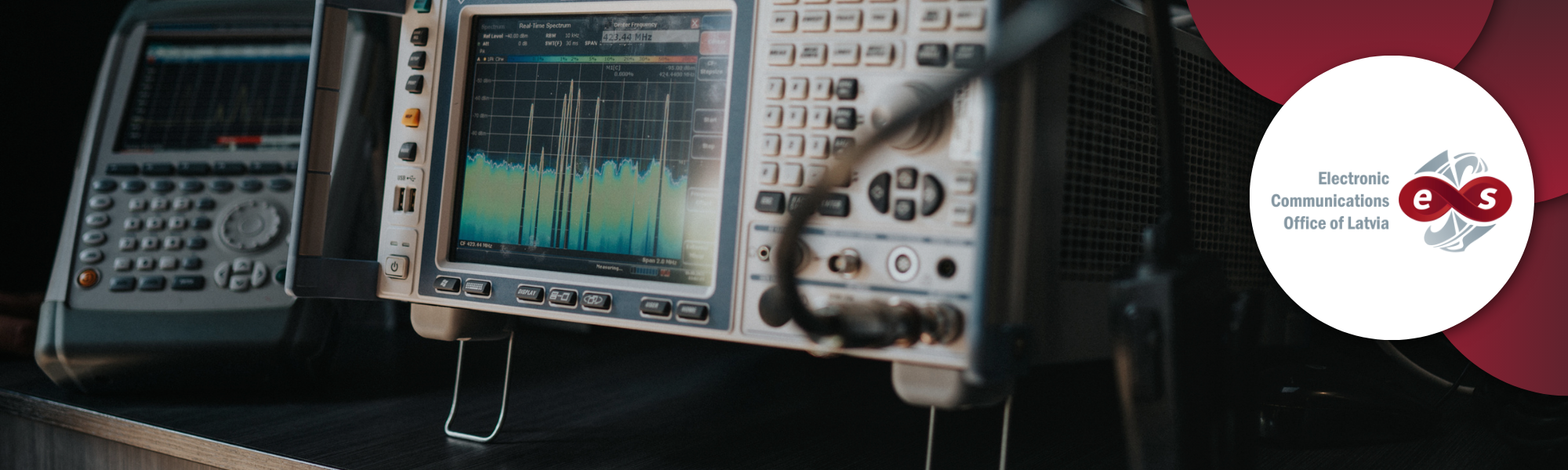
This two-day program is intended for spectrum management officers, monitoring engineers, and mid-level managers working within national frequency administrations and regulatory authorities. It is designed to strengthen their skills in spectrum management, monitoring, interference detection, and equipment compliance evaluation.

Delivered in English, the course combines lectures, demonstrations, case studies, and hands-on activities. Participants gain a comprehensive understanding of radio spectrum management principles, international coordination, spectrum monitoring practices, interference analysis, and equipment compliance assessment in line with ITU, CEPT and ETSI recommendations.

Training Content

Day 1 - Fundamentals of Spectrum Management and Monitoring

Modules:

  • Spectrum Regulation, Allocation and International Coordination
  • National Spectrum Management and Licensing
  • Measurement Principles and Instrumentation
  • Spectrum Monitoring and Data Analysis

Day 2 – Interference, Compliance and Practical Exercises

Modules:

  • Radio Equipment Compliance and Market Surveillance
  • Interference Mechanisms and Mitigation
  • Interference Detection and Direction Finding
  • GNSS Interference, Evaluation and Final Exercise
  • Closing Session

After completing the program, participants will be able to:

  • Explain the principles of international spectrum management and coordination.
  • Operate basic spectrum monitoring and measurement equipment.
  • Identify and analyze interference sources using practical methods.
  • Evaluate radio equipment compliance and assess GNSS signal integrity.
  • Apply preventive spectrum protection strategies in national contexts.

Fee and What Is Included

Fee: 2190 EUR (including VAT).
Included:

  • A comprehensive 2-day in-person training program
  • Expert lectures, demonstrations and case studies
  • On-site practical experience
  • Access to necessary professional equipment
  • Digital training materials
  • Coffee breaks

The training will be held in person at Eksporta street 5, Riga, Latvia.
It will take place in spring 2026, with participants able to select their preferred dates in the application form.

alt=""Reserve your spot
alt=""Download program

For additional information, please contact us:

Service manager
Diana Baranova
E-mail: Diana.Baranova@esakari.lv

Training Courses

Based on our experts' extensive practical experience and deep institutional knowledge, we have developed three intensive training courses. These courses are carefully designed to help participants significantly enhance their understanding, practical skills and proficiency in key domains: Radio Spectrum Management (planning and monitoring), Radio Interference, Radio Spectrum Usage Control, etc.

alt=""Radio Spectrum Management, Monitoring and Interference Analysis
alt=""Radio Spectrum Usage Control - Electromagnetic Compatibility (EMC) Assessment and On-site Radio Equipment Inspection
alt=""Causes, Detection and Mitigation of Radio Interference in Practice